Finally, Britain feels ‘the hand of history’ on Palestine

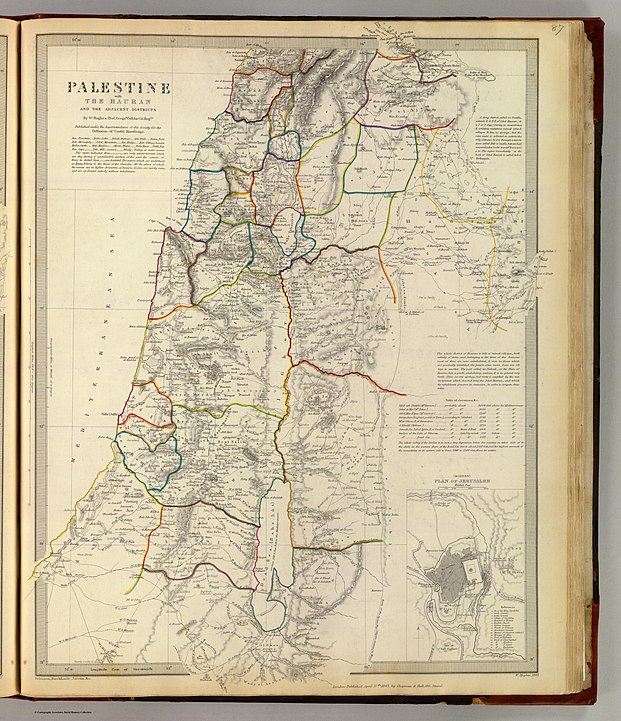
It is a measure of how horrific the situation in Gaza has become that Britain has finally acknowledged some sense of responsibility for the way things have panned out for the Arabs who lived on the land before it was blithely given away to those seeking a Jewish state.
At the United Nations on July 29, some 21 months since Israel began its brutal military operations on Gaza, Britain’s foreign secretary said his country was announcing its decision to recognise Palestine statehood “with the hand of history on our shoulders”.
That history, said minister David Lammy, showed that only one of two promises made by his predecessor Arthur Balfour in the transformational 1917 document known as the Balfour Declaration has been achieved.
The promise to “view with favour the establishment in Palestine of a national home for the Jewish people” has been kept. The second has not. It stated: “that nothing shall be done which may prejudice the civil and religious rights of non-Jewish communities in Palestine”. Lammy said Britain can take pride in the way it helped lay the foundations for Israel but the broken promise to Palestinians “is a historical injustice which continues to unfold”.
Some would say about time the British took some responsibility for the mess they left in West Asia (and elsewhere) nearly 80 years ago.
Balfour’s 67-word document has long been controversial with historians suggesting different reasons it was issued. But this much at least remains true. In the pithy criticism of writer Arthur Koestler, the Balfour Declaration meant that “one nation solemnly promised to a second nation the country of a third”.
Britain would join France in recognising Palestine, which means two more permanent members of the UN Security Council swinging in favour of the issue. China and Russia recognised Palestine in the late 1980s. That would leave the US in solitary splendour – the only hold-out on Palestinian statehood on the UNSC!