The sauces that explain why Taiwan isn’t Chinese

 Taiwan, long seen as a potential flashpoint for a superpower showdown, has become an even bigger question mark after Donald Trump’s meeting with Xi Jinping in mid-May.
Speaking at Asia’s premier annual defence conference, the IISS Shangri-La Dialogue, in Singapore on May 30, Trump’s war secretary Pete Hegseth described relations between the US and China as “better than they’ve been in many years”. Significantly, his speech did not directly mention Taiwan.
Makes sense. What is there to say?
China claims Taiwan, a self-governing democracy barely 100 miles away, as part of its territory. The United States has a nearly 50-year-old agreement with Taiwan to deter any military moves by Beijing.
But months after Trump launched his war of choice against Iran, there are fears the US might be too distracted by its Middle East misadventures to pay much attention to the issue. Might Trump weaken official language — and actions — that cover US support for Taiwan? Meanwhile, Beijing is stepping up efforts to win Taiwanese support for “reunification”.
There is more to Taiwan than its status as a geopolitical chess piece or a “problem without a solution”, in the words of foreign policy wonks. The 89-mile-wide island, officially known as the Republic of China, is greater than the sum of its parts, which include its world-beating semi-conductor industry and great night markets.
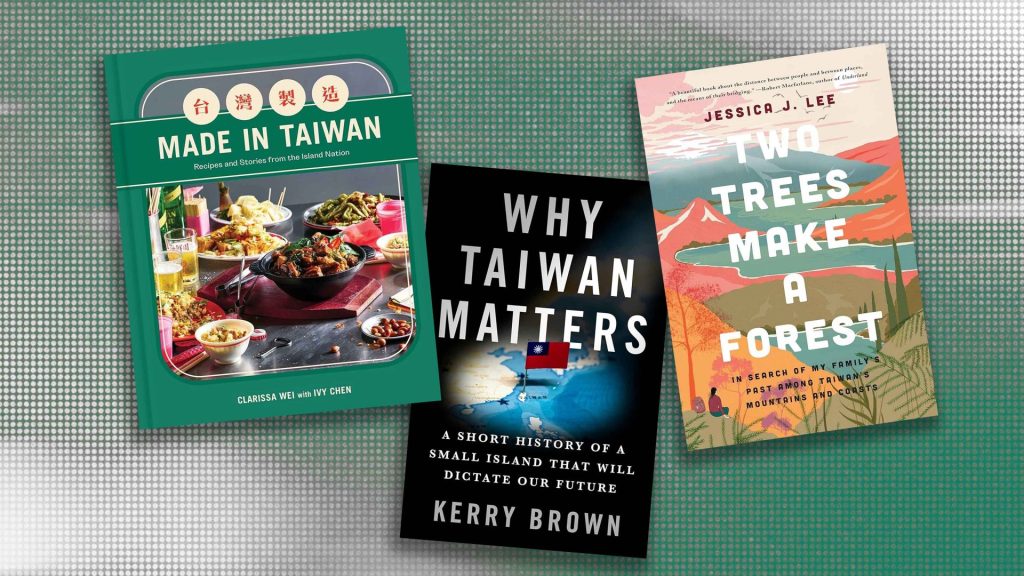
My Substack This Week Those Books examines current affairs through fiction and non-fiction. So with the Taiwan question still bubbling away, here are three useful servings: A cookbook that stirs politics into Taiwan’s signature soy sauce. A cocktail of family lore and nature-writing. And a side order of political history and realism.
The point about Made in Taiwan: Recipes and Stories from the Island Nation by Clarissa Wei is the political charge it gives to anodyne condiments like soy sauce and black vinegar…
Click here to read on: https://www.thenewworld.co.uk