How fasting went from spiritual to fad

As Ramadan and Lent collide, so do old religion, modern body anxiety and the eternal quest for a reset
On February 18, half the world started fasting together in a rare convergence of Christian and Muslim traditions, Lent and Ramadan.
With Christians accounting for an estimated 2.38 billion and Muslims around 2 billion of the world’s 8 billion people, roughly half the planet is encouraged to practise abstinence of some sort at the same time this year. Levels of denial vary, as they should.
For Richard Moth, Pope Leo XIV’s newly installed head of the Catholic church in England and Wales, Lent means giving up cheese through the 40 days that Christians replicate Christ’s withdrawal into the desert to pray and fast.
For Muslims, it’s about giving up all food and drink (including water) from sunrise to sunset for the whole month in which God revealed the first verses of the Qur’an to the Prophet Muhammad.
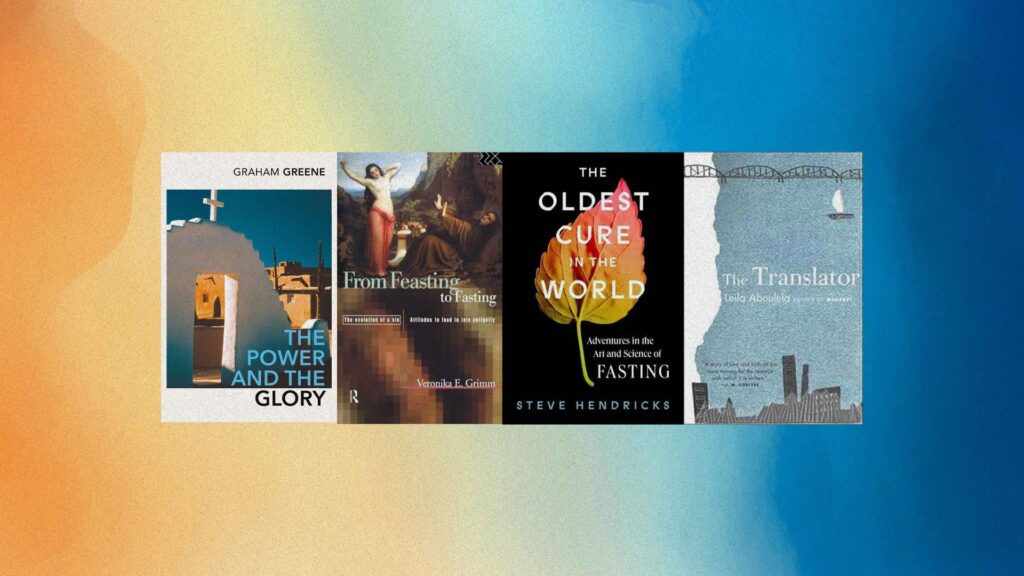
The essence is the same, as explored by Graham Greene and Leila Aboulela’s evocative novels on faith and fasting. But two insightful studies also note the evolution of fasting.
From a reset button for the soul, it has become an inescapable part of popular culture, mostly as a weight-loss tactic or health hack.
When did this happen? Perhaps with an English doctor in 19th-century Minneapolis, according to American writer Steve Hendricks’ The Oldest Cure in the World: Adventures in the Art and Science of Fasting. The poster boy of therapeutic fasting was Henry S Tanner, he writes.
Hailed in the press as “The Stomachless Man”, Tanner sparked worldwide interest in therapeutic fasting…
Originally published at https://www.thenewworld.co.uk
Rashmee Roshan Lall’s Substack This Week Those Books explains current affairs by recommending books by experts