This Week Those Books is chock-full of crucial context in just five minutes — from fiction and non-fiction — to the shouty, doomscroll news cycle. Click here for a quick read
Pakistan wants to be Trump’s BFF
Two diplomats on the troubled DC-Islamabad relationship. And a thriller that’s all too real
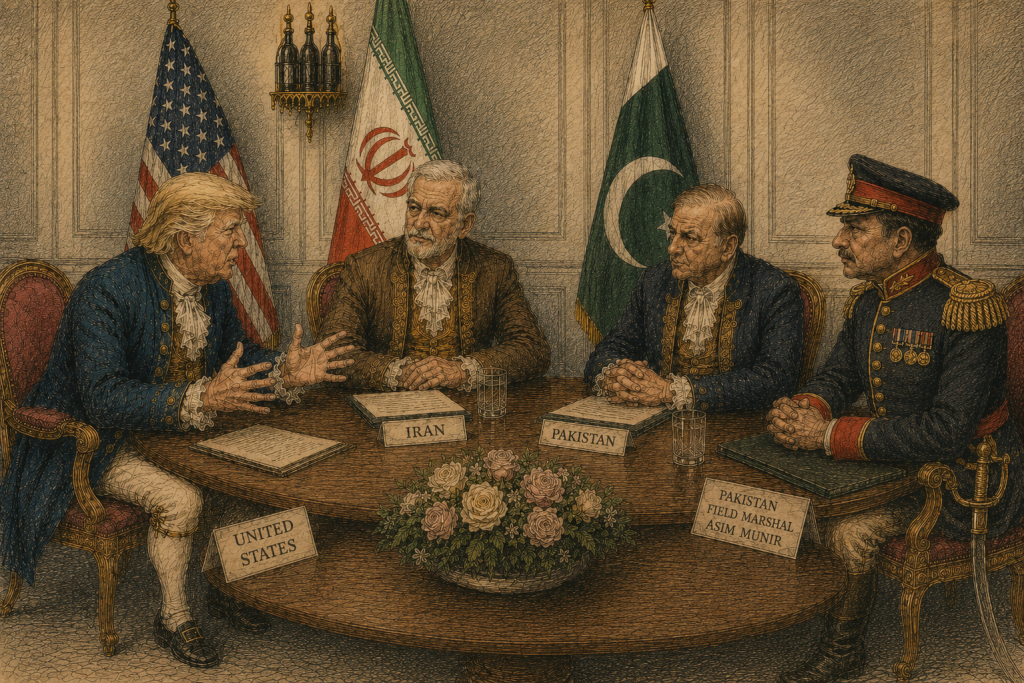
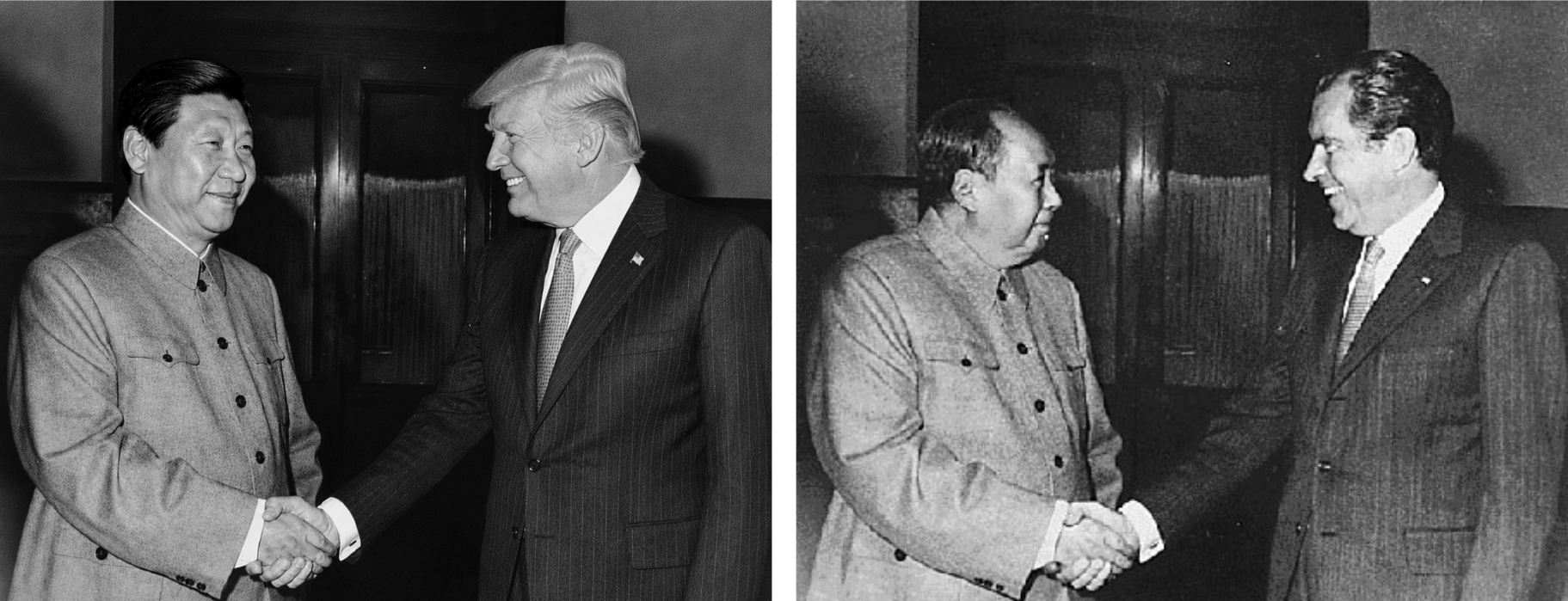
AI imagines the scene of a US-Iran agreement brokered by Pakistan, in the style of the 1815 Treaty of Vienna that ended a nearly 100-year cycle of conflict
The Big Story:
What does the formal end of Donald Trump’s hot war on Iran mean for the US relationship with Pakistan, which brokered both the ceasefire and the longer-term halt to hostilities?
- On the one hand, the US and Iranian presidents’ electronic signatures on the memorandum of understanding deprived Pakistan of its big moment on the world stage, i.e., a splashy ceremony in Switzerland for the document called Islamabad MoU.¹
- Even so, Pakistan’s successful mediation between the US and Iran — countries locked in decades of hostility — is a diplomatic triumph that is winning it international kudos.²
Nearly 80 years after its birth, has Pakistan finally achieved founder Muhammad Ali Jinnah’s bold aspiration, to be “the pivot of the world”?
Or is Pakistan once again, allowing itself to be used by the United States, in a mutually beneficial transaction?
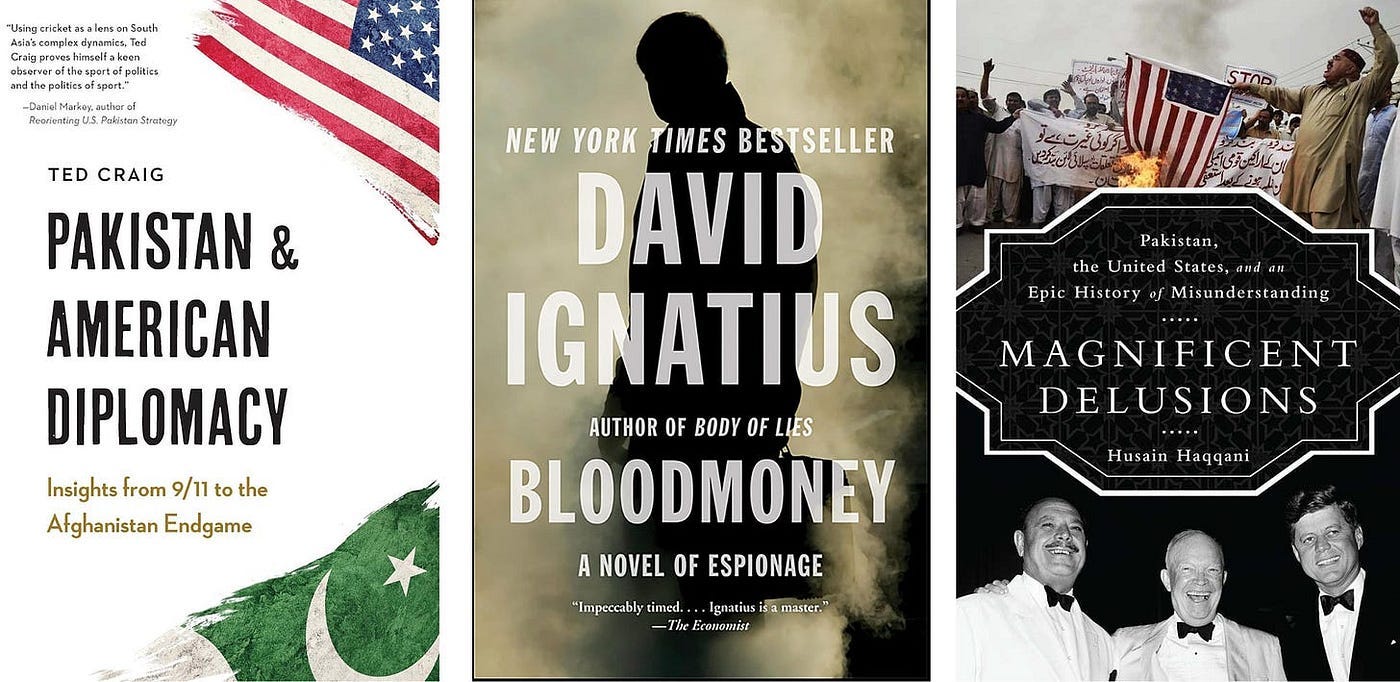
Husain Haqqani, Pakistan’s former ambassador to the US, says in his 2013 book:
Primarily because of geopolitical considerations, the United States has enlisted Pakistan as an ally on three occasions: during the Cold War (1954–1972), the war against the Soviets in Afghanistan (1979–1989), and the war against terrorism (2001–present). In each instance the US motive for seeking Pakistani alliance has been different from Pakistan’s reasons for accepting it.
This Week’s Books:
- A US diplomat hopes for better times.
- A thriller that’s not all fiction.
- A Pakistani ambassador on secrets and lies.
Click to read on about the books and the back story