Two court rulings in two parts of the US could change the world

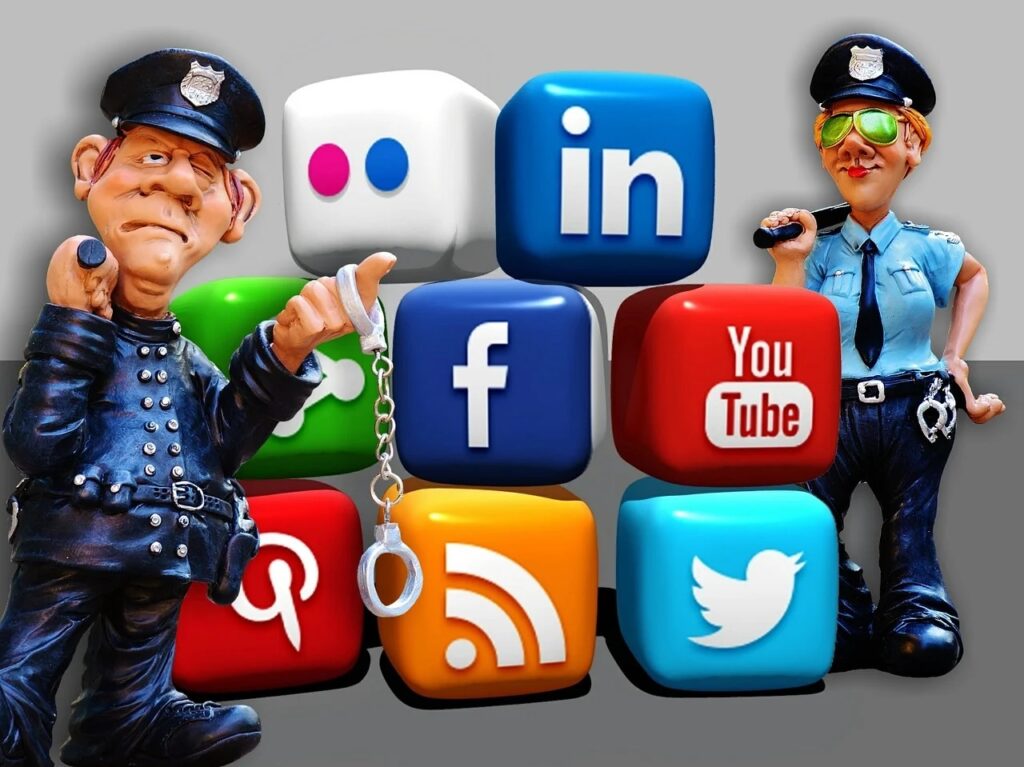
Image: Alexas Fotos, Pixabay
Can two court rulings in two different parts of the United States change the world?
Yes, according to the International Intrigue newsletter, which offers one of the sharpest takes on this week’s rulings against big tech companies that own most of the world’s social media platforms.
The court orders, in New Mexico and California, potentially have profound global implications. They could trigger a wave of US lawsuits as well as provide ballast for governments around the world to regulate and rein in these giant American companies.
Why? For the first time, a court has actually taken a big tech company to task for its algorithm rather than its user-generated content. It’s also the first time, two big tech firms have been held liable for privileging profit over public good.
In a way, the two rulings also answer a key question: Why do tech company bosses stop their children from going on social media?
That question was posed by marketing professor Adam Alter in his 2018 book Irresistible: The Rise of Addictive Technology and the Business of Keeping Us Hooked. It really makes you stop and think.
Click here if you want to read International Intrigue’s piece. The newsletter, founded four years ago by “former diplomats and media experts”, is always worth it.
Just to be clear, the two court rulings in question are as follows:
The March 24 New Mexico order for Meta to pay out nearly $400 m for “misleading parents, enabling child exploitation, and harming kids”. The jury ordered Meta to pay the maximum penalty under the law of $5,000 per violation. The company’s offence, in the words of New Mexico Attorney General Raúl Torrez, is to choose “to put profits over kids’ safety”.
The March 25 California jury decision to order Meta and Google to pay 20-year-old Kaley GM $6m for social media harms to her, including depression, anxiety and body dysmorphia. Kaley is the first of nearly 2,500 plaintiffs in a consolidated case in southern California suing four tech companies, Google, Meta, TikTok and Snap.
Meta owns Instagram, Facebook and WhatsApp and Google has YouTube. These rulings are significant precisely because they hold big tech companies responsible for acts of commission or omission that was within their power to change or stop.
The New Mexico order ruled on Meta’s algorithms rather than user-generated content.
The California case pronounced on Meta and Google’s decision to protect their harmful products and profits rather than the people who were their customers.
As International Intrigue points out, the California verdict “dodged the Section 230 immunity shield that’s protected Big Tech since the 1990s: tech tycoons always argued that holding Insta responsible for user content is like (say) holding Ford responsible for a hit n’ run”.
The New Mexico verdict, according to the newsletter, feels like the sort of case that brought down tobacco companies who were accused of deliberately designing addictive products.
The two US rulings will undoubtedly change the way courts and governments in other parts of the world deal with American tech companies and products.
They could embolden countries to place age limits on social media use, with Australia having set the ball rolling last year with its ban for under-16s.
But, a note of caution is in order. As I wrote in a This Week, Those Books post when these lawsuits began in February, “if this is social media’s big tobacco moment, quite a lot of smoking is still going on. Last year, Meta said it added 230 million new users, which is equivalent to the population of Nigeria, the world’s fifth biggest country. Just over 1 billion people still smoke cigarettes today”.