Yes, an arms race can drive the world to war

The lessons of massive militarisation before WWII. And Catch-22 all over again
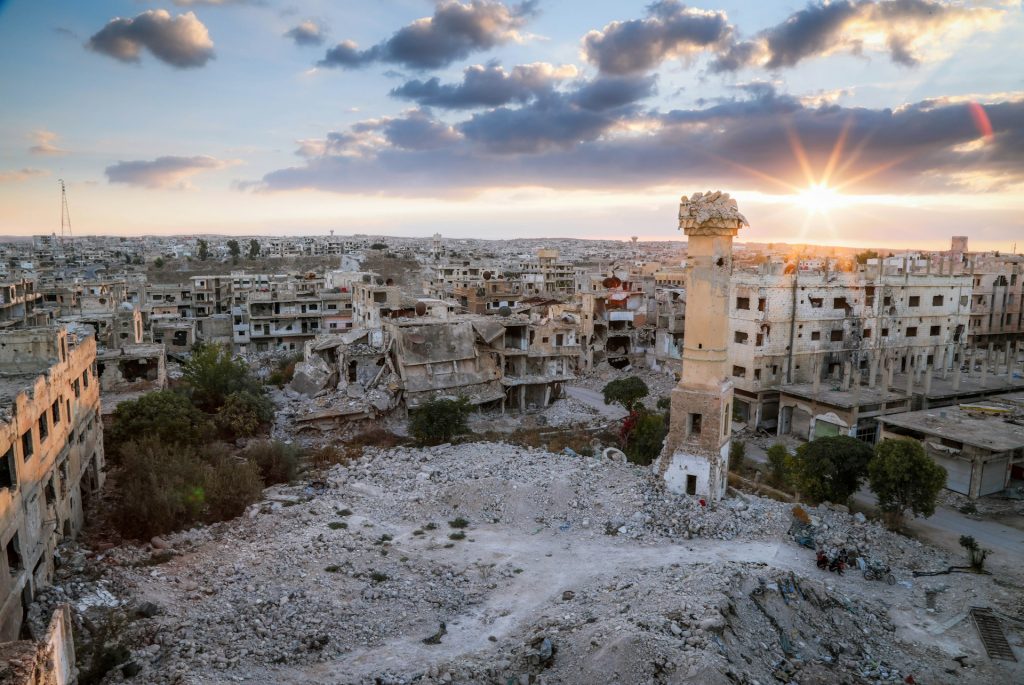
The once-bustling Syrian town of Daraa destroyed by war. Image by Mahmoud Sulaiman, Unsplash
This Week Those Books is chock-full of crucial context — from fiction and non-fiction — to the shouty, doomscroll news cycle.
Go to this link for a quick read
gThe Big Story:
The world spent nearly $3,000 billion last year on arming itself, a sharp rise from 2024; formerly pacifist Japan will now export lethal weapons and Germany is reinventing itself as an arms manufacturer.
Will the new militarism make war seem more inevitable? Will it mean more wars?
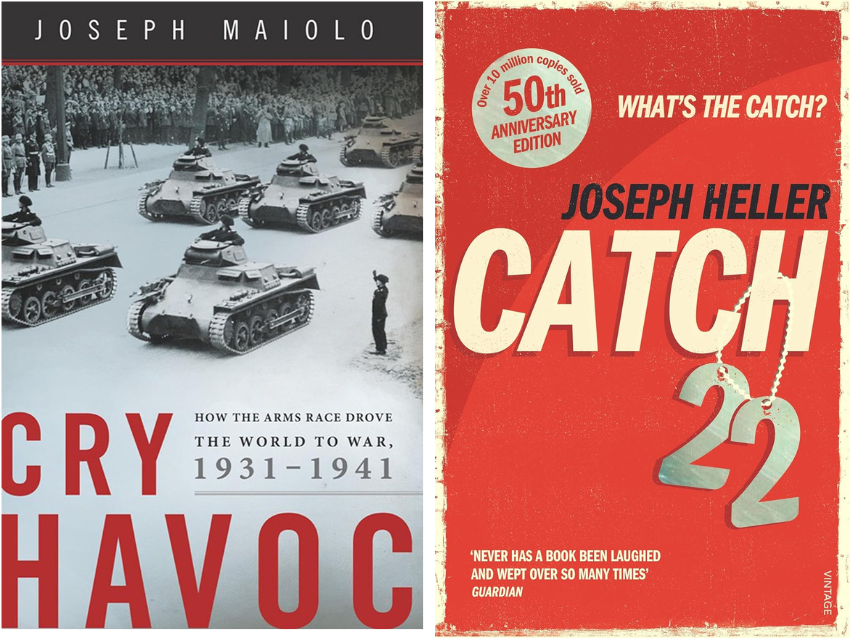
Our first book notes the heightened militarisation ahead of World War II:
In periods of acute political tension, one state races ahead to win a military edge over its rivals, who in turn respond to the menace by arming too, and a perilous cycle of actions and reactions ensues, which ends either in war or in some sort of uneasy political-military stalemate.
This Week’s Books:
-
A distinguished academic points out that weapons generally lead to war.
-
Joseph Heller’s satirical take on the ghastly business of fighting and death.
Click to read on about the books and the back story
Originally published on Medium